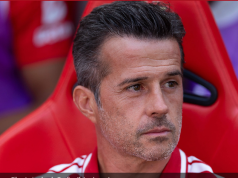
“They were better than us; that’s the truth. We show dignity in victory, and we must show dignity in defeat. Today (Sunday), we showed that we know how to lose. We lost this match and accepted it, but that doesn’t mean our lives have stopped or that we’ve forgotten everything we did to get here,” said Scaloni.
Speaking after the final in East Rutherford, United States, the former full-back expressed gratitude to his players for the eight matches they played in the tournament and for the way they defended their world title.
“I value this runner-up finish because it takes a lot of effort to get here, and I think it deserves huge recognition. Obviously, we would have liked to win, but deep down, I feel gratitude. That’s the only word that comes to mind—along with sadness, of course,” concluded the 48-year-old coach.
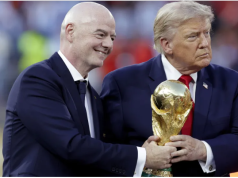
Spain won the World Cup for the second time by defeating the defending champions, Argentina, 1–0 after extra time in the final of the 23rd edition, held in East Rutherford, United States.
A goal by substitute Ferran Torres in the 106th minute sealed the title for the European side, repeating their 2010 feat—when they also won the final 1–0 in extra time, that time against the Netherlands, thanks to a goal by Andrés Iniesta.
The Spanish team—which had previously only reached the final 16 years ago—now matches the two titles held by Uruguay (1930 and 1950) and France (1998 and 2018)—two teams they eliminated during the 2026 tournament—placing them fifth in the all-time rankings, which are led by Brazil with five titles. Luis de la Fuente’s squad adds the World Cup to the 2024 European Championship, becoming the current holder of the two major international tournaments.
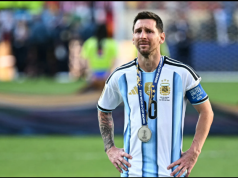
Meanwhile, Argentina lost in the final for the fourth time—as they did in 1930, 1990, and 2014—remaining in fourth place in the rankings with the three titles won in 1978, 1986, and 2022.