The 2026 World Cup was FIFA’s most profitable tournament ever, capitalizing on the expansion to 48 national teams and the dominant role of the United States as a co-host, according to the executive director of the Portuguese Institute of Marketing Administration (IPAM).
“Expectations were met for the biggest World Cup ever, featuring record-breaking audiences and revenues. We witnessed a massive celebration, with packed stadiums, highly active sponsors, and various stories unfolding around the sport,” Daniel Sá told the Lusa news agency.
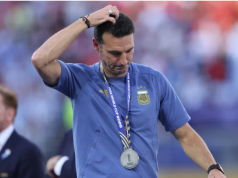
European champions Spain claimed the world title for the second time on Sunday—repeating their 2010 success—by defeating two-time South American champions Argentina (1–0 after extra time) in the final in East Rutherford; Argentina had previously won the title three times (1978, 1986, and 2022) and entered the tournament as the defending champions.
The 23rd edition of the premier international tournament for national teams ran from June 11 and, for the first time, featured 48 teams—up from the 32 participants seen between 1998 and 2022. It set records with 104 matches played over 39 days and marked the first-ever three-nation hosting arrangement involving the United States, Mexico, and Canada.
“For the first time, FIFA employed dynamic pricing for tickets—adjusting based on supply and demand—which led to exorbitant prices. Although final figures aren’t in yet, this will undoubtedly go down as the greatest commercial success in the organization’s history,” he noted. With overall projected revenues of $13 billion (€11.4 billion) and expenditures of $12.9 billion (€11.3 billion) for the 2023–2026 cycle, FIFA set a budget of $3.756 billion (€3.286 billion) for the last World Cup, aiming to generate at least $11 billion (€9.6 billion)—compared to the $6.314 billion (€5.524 billion) from the 2022 edition in Qatar.
“In terms of image, FIFA has not been a model of transparency, but this is nothing new; it is part of its history. There are always issues regarding vulnerability to scrutiny, political interference, and situations lacking transparency. It is dangerous because fans want an institution that is pure and honest. If they suspect that isn’t the case, they might turn away from football. It poses a risk to FIFA’s future,” noted Daniel Sá.
Nevertheless, the IPAM executive director credits the organization for its gradual engagement with new demographics and people with no prior connection to football, noting that the expansion of the final tournament to 64 participants is already being considered.